Easter was the focus of our assembly in the Prep on Monday this week, and we began, (and in fact concluded the assembly too) by listening to Pergolesi’s Stabat Mater, a personal favourite of mine and a musical work of such profound and aching beauty that it needed no explanation. A real ‘Baroque banger’ written in the eighteenth century but rooted in a thirteenth-century poem, it gives musical and emotional voice to something almost unbearable: a mother’s grief at the foot of the cross as she mourns the death of her only son. The silence that followed each hearing told me everything I needed to know about how the boys received it. We considered the original Latin lyrics alongside the English translation, and they soon understood, instinctively, that they were in the presence of something serious which set the tone for the assembly overall.
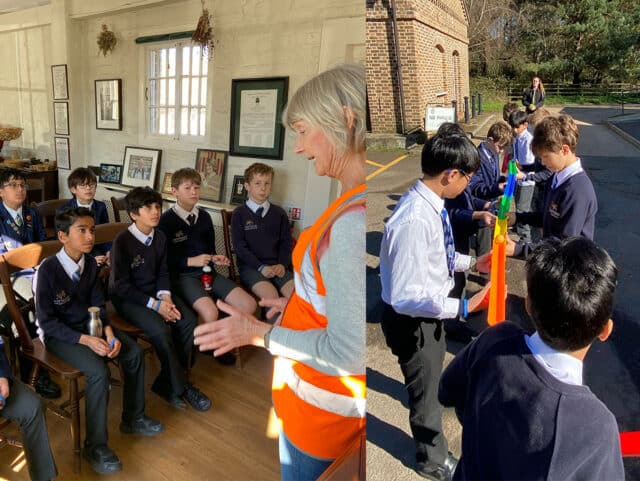
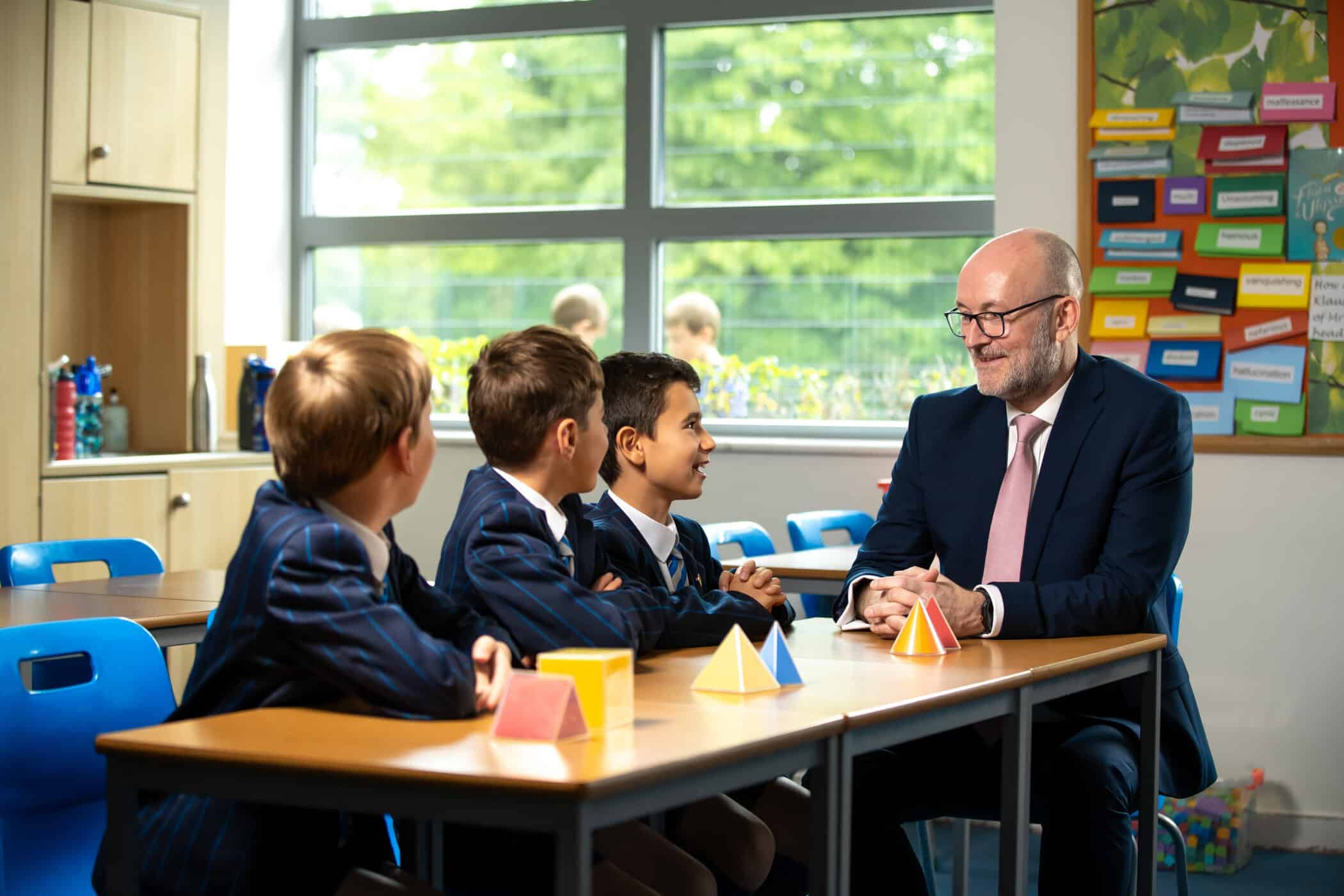
Two colleagues – both practising Christians, both willing to share something of their faith with honesty and without pretence – sat before a panel of boys who had prepared some questions for them about Easter. The boys asked whether Easter could exist without the resurrection; they asked how doubt sits alongside belief; they asked how one holds the darkness of Good Friday in the same heart as the joy of Easter Sunday. They asked what it actually feels like, week by week, to live a life shaped by Christian faith. These were not questions plucked from thin air. They were thoughtful, generous, and most importantly genuinely curious.
My colleagues spoke plainly about what Easter means to them: not as a cultural moment or a fixture in the calendar, but as the very centre of their understanding of the world. One thread that ran through everything they said was that without the resurrection, Christianity itself is, in their view, simply unimaginable. In other words, Easter is not an optional extra, it is the whole point. Another was the way they described Holy Week itself: an intense, often moving progression from the triumphant entry into Jerusalem on Palm Sunday, through the desolation of Good Friday, to the extraordinary reversal of Easter morning.
The boys also asked (with characteristic directness!) whether it bothers them that Easter has, for many people, become chiefly about chocolate and bank holidays and a part of one colleague’s answer made it plain that there is something in the human instinct for celebration, for spring, for renewal, that points however distantly towards something real. The candour of two colleagues, willing to speak about their own beliefs in front of the whole Prep, gave our assembly its heart and I am very grateful to them for being so transparent about such a deeply personal aspect of their lives.